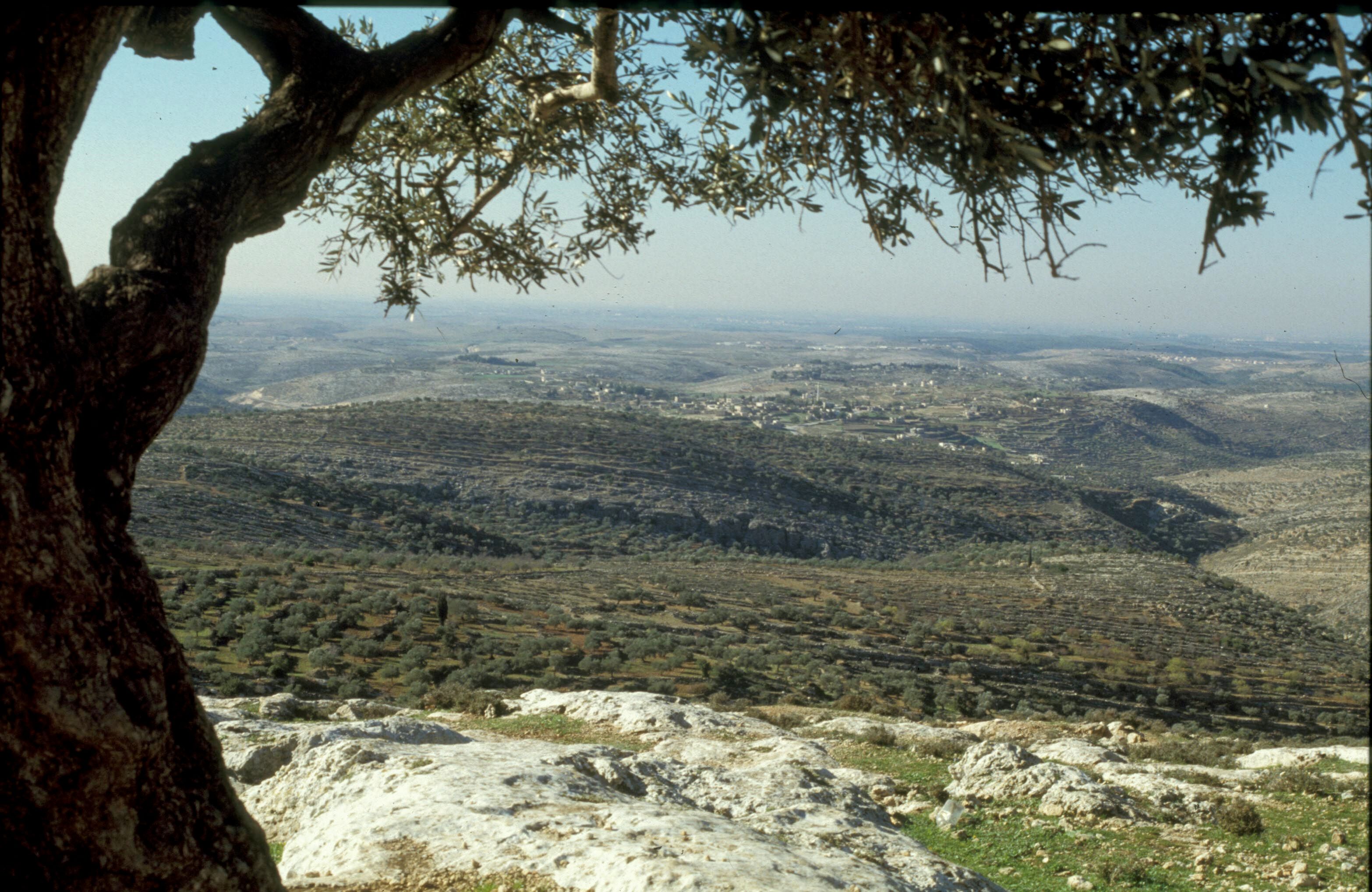
Beth Horon Pass (31°52’33” N, 35°07’48” E)—where Judas Maccabeus shocked the world in 166 BC, launching the Hasmonean Kingdom. Two centuries later, Jewish Zealots won another stunning victory here against Rome in AD 66. One triumph built a nation. The other triggered catastrophe. Understanding the Second Jewish Commonwealth (516 BC–AD 136) is the missing key to New Testament prophecy.
What We’re About
For centuries, Christians have struggled to make sense of New Testament prophecy. Competing interpretations multiply. Time indicators are ignored or spiritualized. The result? Embarrassment and confusion, disappointment and division.
The missing ingredient is history. Specifically, the history of the Second Jewish Commonwealth (516 BC–AD 136)—the world Jesus entered, the tensions that shaped His mission, and the catastrophic events that fulfilled His warnings.
Atavist Bible Church exists to restore this context. We demonstrate how the apostles understood their own times as the fulfillment of ancient prophecy—not our future, but their present and immediate future. This isn’t speculation. It’s careful attention to what Scripture actually says and when it said those things would happen.
Our Approach
We love our Lord, His Gospel, and the church. We respect theological diversity. But we believe something crucial (and fascinating) has been lost in modern eschatology: the actual historical context that made prophecy intelligible to its first readers.
When Jesus spoke of “this generation” and “all these things,” His audience knew exactly what historical trajectory He meant. We invite you to examine Scripture through that same lens—not to divide the body of Christ, but to resolve interpretive confusion with historical clarity.
Four Foundations of Atavist Theology
Understanding the historical context of New Testament prophecy naturally leads to deeper questions about God’s nature, His relationship with His creation, and how we read Scripture faithfully. Atavist theology rests on four essential convictions:
First, we are unequivocally Trinitarian. The historic Christian confession of one God as Father, Son, and Holy Spirit is foundational to our faith and interpretation.
Second, we embrace Open Theism—sometimes called “dynamic omniscience.” We believe God is genuinely relational, that human choices are real and meaningful, and that the future remains open in ways that honor both divine sovereignty and human responsibility. This view of God makes sense of Scripture’s conditional prophecies and explains how God can be genuinely responsive to prayer and human decision.
Third, we recognize the Hasmonean Kingdom as the overlooked fourth kingdom of biblical prophecy. This Jewish dynasty (142-63 BC) is the missing piece that makes sense of messianic expectations and prophetic timelines in the New Testament era.
Fourth, we hold that all New Testament prophecy was fulfilled within one cohort generation (roughly AD 26-136). This isn’t speculation—it’s taking Jesus’ time indicators seriously. When He said “this generation will not pass away until all these things take place,” He meant exactly what His audience would have understood: their generation, their lifetime, their institutions, their world.
These aren’t isolated beliefs. They form a coherent whole: a God who relates dynamically to His creation, who worked through the Hasmonean period to set the stage for Messiah, and who fulfilled His promises within the timeframe He specified in the world of Second Temple Judaism that shaped the prophetic imagination.
__________________________________________________________________________________________________________________________________________________________________________________________________
We invite you to explore each of these foundations:
 |
 |
 |
 |
__________________________________________________________________________________________________________________________________________________________________________________________________
Along with these distinctives in our theology, we celebrate God’s New Testament world in all its beauty and variety. Our God’s World Videos & Essays section explores the richness of the Christian world, the ideas we share, the genres of music we adore our God with, discussions about common concerns and observations about both Scriptures and creation. Here you’ll find common ground—the beauty and harmony that unite believers across theological boundaries, races, languages and cultures.